Cemetery Rules for Headstones in New Jersey: What Families Need to Know
Brittany Hope • 17 March 2026
Cemetery Rules for Headstones in New Jersey
Choosing a headstone or memorial is an important step in honoring a loved one, but many families are surprised to learn that cemeteries have specific rules and regulations that must be followed.
Understanding cemetery requirements ahead of time can help you avoid delays, unexpected costs, and design limitations. This guide explains the most common headstone rules throughout Burlington County and across New Jersey. Also what you should know before making a decision.
Why Do Cemeteries Have Rules for Memorials?
Cemetery regulations are designed to:
- Maintain a uniform appearance
- Ensure safe installation
- Simplify long-term maintenance
- Protect surrounding memorials
Each cemetery sets its own guidelines, so requirements can vary significantly depending on location.
Local Cemetery Regulations Can Vary
Even within New Jersey, rules differ between:
- Church cemeteries
- Municipal cemeteries
- Memorial parks
- Private cemeteries
For example, some cemeteries in Burlington County may allow upright headstones, while others only permit flat markers.
How Cemetery Rules Affect Your Memorial Choice
Cemetery regulations can directly impact:
- The type of memorial you choose
- The size and design options available
- The overall cost
- The timeline for installation
This is why it’s important to understand the rules early in the process.
Do All Cemeteries in New Jersey Have the Same Rules?
No — cemetery regulations are set individually, not statewide.
Even neighboring cemeteries in Burlington County and surrounding areas like Mercer County or Camden County may have completely different rules regarding memorial styles and installation.
This is why working with a local memorial provider can make a significant difference. Familiarity with cemetery requirements helps avoid delays and ensures your memorial meets all guidelines the first time.
Common Headstone Rules in New Jersey Cemeteries
While every cemetery is different, most follow similar guidelines.
1. Size and Height Restrictions
Many cemeteries limit the size of memorials, including:
- Maximum height for upright headstones
- Width limitations for companion monuments
- Thickness requirements for stability
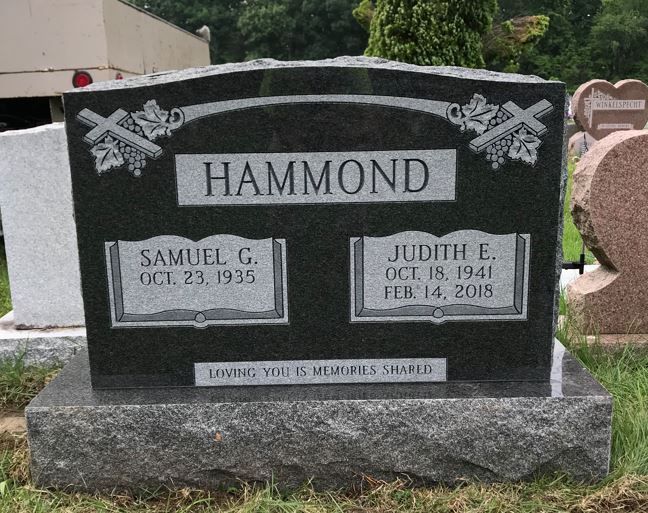
Some memorial parks only allow flat markers, while others permit upright monuments within certain dimensions.
2. Allowed Memorial Types
Cemetery rules often specify which styles are permitted, such as:
In some locations, only one type is allowed to maintain a consistent look across the grounds.
3. Material Requirements
Most cemeteries require durable materials such as:
Some cemeteries restrict certain stone types or finishes to ensure long-term durability and uniformity.
4. Foundation and Installation Rules
Proper installation is critical.
Cemeteries may require:
- Concrete foundations
- Specific depth requirements
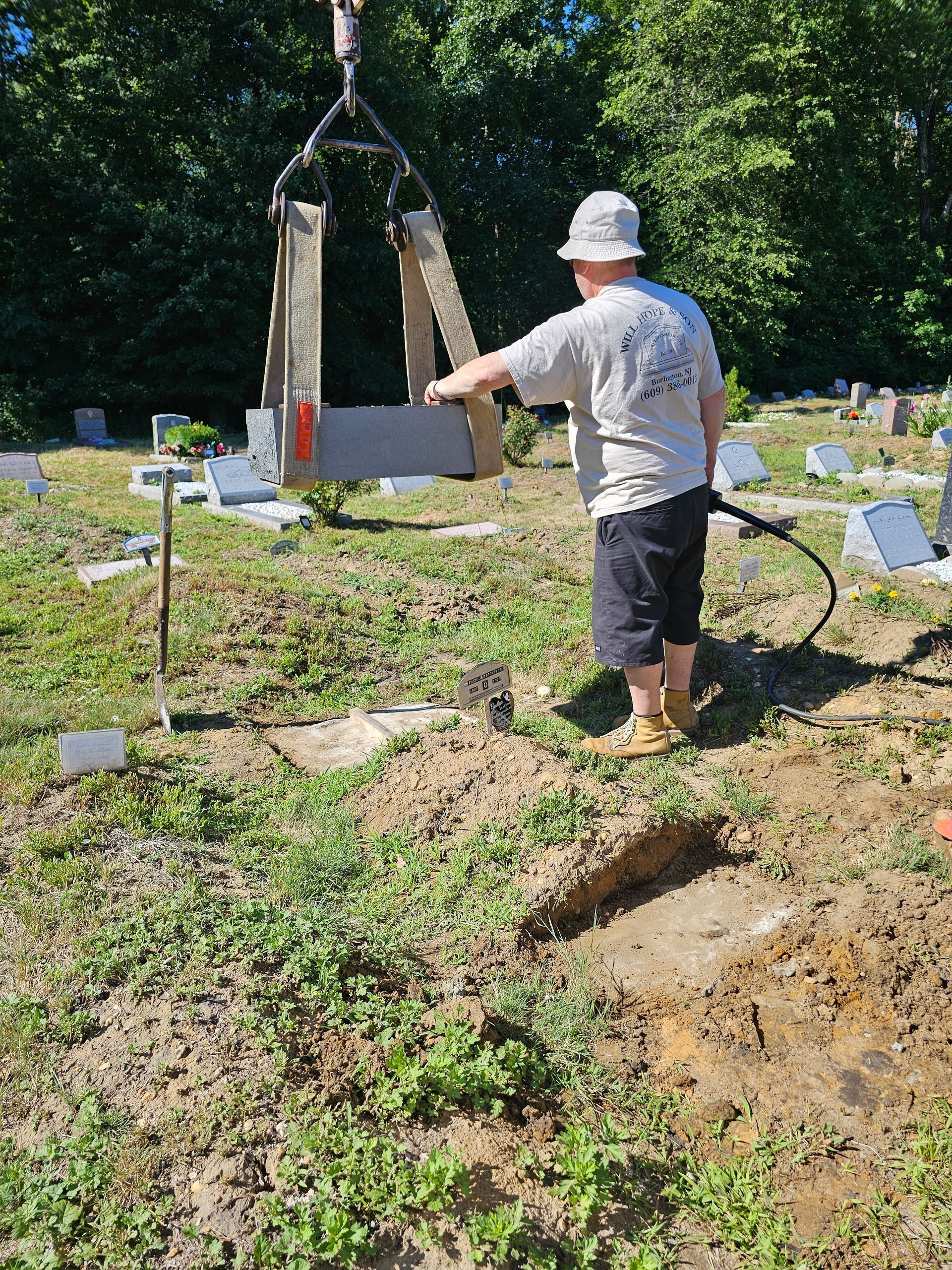
- Professional installation
- Approval before setting the memorial
Some cemeteries only allow approved contractors to perform installations.
5. Design and Decoration Restrictions
There may also be limits on:
- Etched portraits
- Religious symbols
- Non-traditional shapes
- Color variations
Decorative elements or accessories
These rules help maintain consistency and prevent damage to nearby memorials.
6. Approval Process
Before installation, most cemeteries require:
- Design approval
- Permit applications
Documentation of dimensions and materials
Failing to get approval can delay installation or result in additional fees.
Cemetery Rules in Burlington County, NJ
Cemetery regulations can vary even within the same region. In Burlington County, New Jersey, different cemeteries have their own guidelines regarding memorial types, sizes, and installation requirements. Families we work with often ask about rules at local cemeteries such as:
- Odd Fellows Cemetery
- Laurel Hill Cemetery
- Bread of life Cemetery
- Lakeview Memorial Park
Each of these cemeteries may have different requirements for:
- Flat markers vs upright headstones
- Foundation specifications
- Granite color and material restrictions
- Memorial size and placement
- Installation approval processes
For example, some cemeteries may only allow flat markers to maintain a uniform appearance, while others permit upright or slant memorials with specific size limitations. Because requirements can change, it’s always important to verify the current rules directly with the cemetery before purchasing a memorial.
Final Thoughts
Cemetery rules play an important role in determining what type of memorial can be placed and how it is installed. Understanding these regulations ahead of time can save time, reduce stress, and help you choose a memorial that meets both your needs and the cemetery’s requirements. If you need assistance navigating cemetery rules or designing a memorial that meets local guidelines, our team is here to help guide you through the process.